Somebody's Cousin Already Tweeted It: How Live Injury Lines Move Before the Replay

Photo by Photo by Tim Mielke on Unsplash on Unsplash
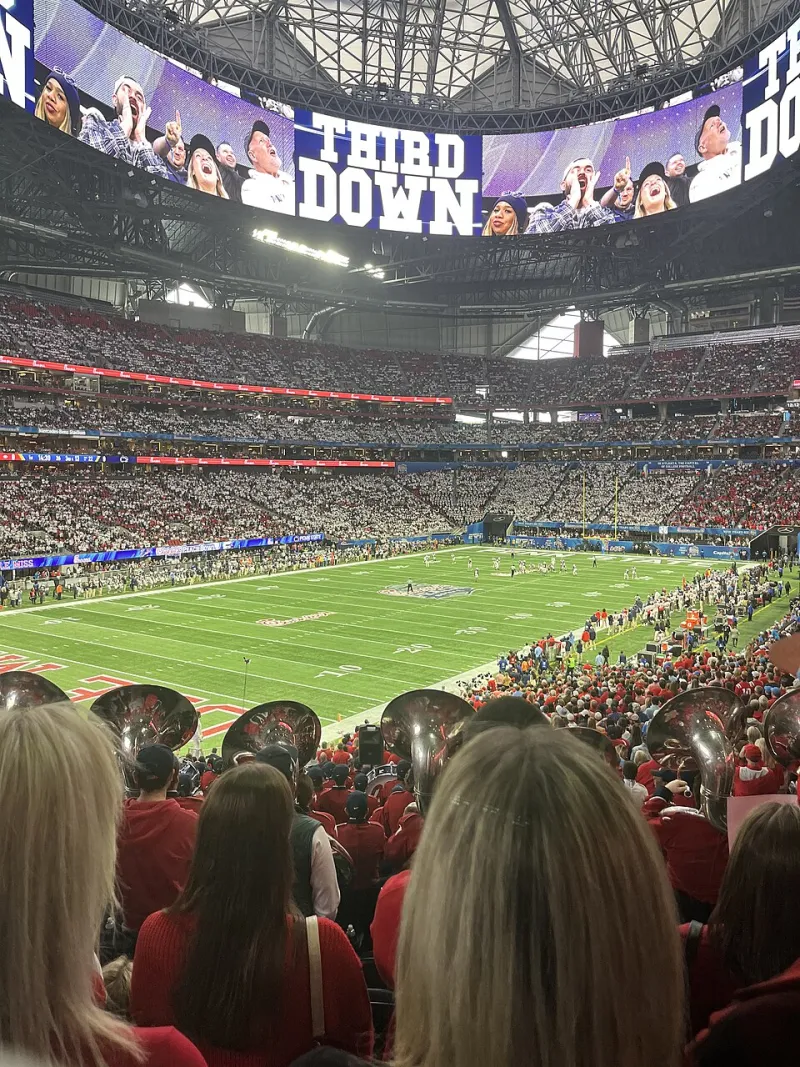
Sunday afternoon, third quarter. Your quarterback takes a hit, gets up slow, and walks to the blue tent. The broadcast cuts to a commercial. Somewhere in those ninety seconds, a beat writer posts a sentence, an aggregator reposts it, and the live line on your phone jumps a full field goal before the replay even airs.
That gap — between the information and the broadcast — is where live bettors either get sharp or get fleeced. Mostly fleeced, honestly. Let's talk about how it works.
Why the Line Moves Before Your Eyes Do
In-play markets are fed by a mix of automated models and human traders, and both of them are watching the same firehose you are: social media, team reporters, league injury feeds, and whatever the broadcast audio picks up on a hot mic.
A TV broadcast is a produced product. It has commercial breaks, replay packages, and a director deciding what you see when. A market has none of that. It just reacts.
So the sequence usually goes like this:
- Something happens on the field.
- Someone with a credential reports it.
- Trading desks read it, and in-play markets suspend or reprice.
- The broadcast catches up — sometimes a full possession later.
By the time you see the replay, the number you're looking at is often a historical price. You're not betting on the news. You're betting on the news plus however much the market already digested it.
The Three Stages of an Injury Reprice
Watching a market react to a sideline report is a bit like watching a crowd figure out a fire alarm. There are distinct phases.
Stage one: the freeze
Markets suspend. Odds vanish from the screen for a few seconds or a few minutes, depending on the market and the sport. This is the desk saying we don't know what this means yet, so nobody gets to bet.
If you see a suspend and you don't know why, that's a signal to stop, not a signal to hurry.
Stage two: the first number back
The market reopens with a price that reflects a guess. It's usually conservative, and it's usually wide — bigger hold, tighter limits. This first number is the market's opening bid on uncertainty, and it's rarely the final word.
Stage three: overshoot and settle
Here's where it gets interesting. Public money floods toward the obvious read: backup quarterback in, team is doomed, take the other side. That pressure often pushes the line past where the actual information justifies, especially in lower-liquidity live markets.
Then the correction comes, usually a few minutes later, once the backup completes a couple of short passes and everyone remembers the offense was already struggling.
Real Information vs. Very Loud Noise
Not every sideline report is equal, and live markets don't price them equally either. Here's the rough hierarchy, from strongest to weakest signal:
- Confirmed by the team: an official designation, a cart, a player ruled out. Strongest signal, and usually the fastest repriced.
- Reported by a credentialed beat writer or sideline reporter: reliable but not official. Markets react, sometimes hard.
- Reported by a national insider: solid, but often already baked in by the time you read it.
- Aggregator account reposting an unverified claim: this is where chaos lives. Markets sometimes move on it anyway, which is exactly why you shouldn't.
- A random account with a blurry photo: ignore it. Genuinely. The number of live lines that have twitched on a fake report is not zero, and it's not small.
The Trap: Betting What You've Already Seen Priced
The most common live-betting mistake isn't picking the wrong side. It's arriving late and calling it a read.
You see the replay, you process it, you form an opinion, and you tap a market that was repriced ninety seconds ago. That's not analysis. That's buying a ticket after the train left, at a price set for people who didn't know where the train was going.
A quick way to check yourself: if your reasoning is something the entire stadium just watched, the price has already accounted for it.
A Note Card Method That Actually Works
Before the game, write down four things on a note card or in your phone's notes app:
- The pregame line for the market you're watching.
- The current live line once the game starts.
- Who the backup is and how the offense changes without the starter — personnel, tempo, play-calling.
- Your pass conditions. Write two or three specific scenarios where you're not allowed to bet. Example: any market that moved more than a touchdown in under two minutes while I don't know why.
That fourth item does the heavy lifting. It's a pre-commitment device, and pre-commitment is the only thing that beats adrenaline in the moment.
When to Just Sit Out
Sometimes the right move is nothing. Sit out when:
- The market is suspended and you don't know why.
- The line moved sharply and no credible source explains it.
- You can't articulate the bet in one sentence without referencing a replay.
- You're already two units down and it's the fourth quarter.
Sitting out costs you nothing. A late emotional entry costs you real money and, worse, teaches you the wrong lesson when it occasionally works.
The Skill Nobody Talks About
Live injury betting isn't really about speed. It's about knowing which information matters, which is already priced, and which is a rumor wearing a reporter's jacket. The market will always move before your broadcast does. Your job isn't to beat it there — it's to know when the number in front of you is still worth taking.
Most of the time, the honest answer is that it isn't. That's fine. There's another game next week, and the line will be fresh.